A wellness journal only works if people come back to it. The writing prompts matter, but so does how the page feels: warm, personal and easy to start. This guide covers what to include, how to make a journal or tracker engaging, and where illustrations do the most work.
Types of wellness journals and trackers
Most wellness journals combine a few of these formats. Each one needs a different amount of space and a different kind of visual.
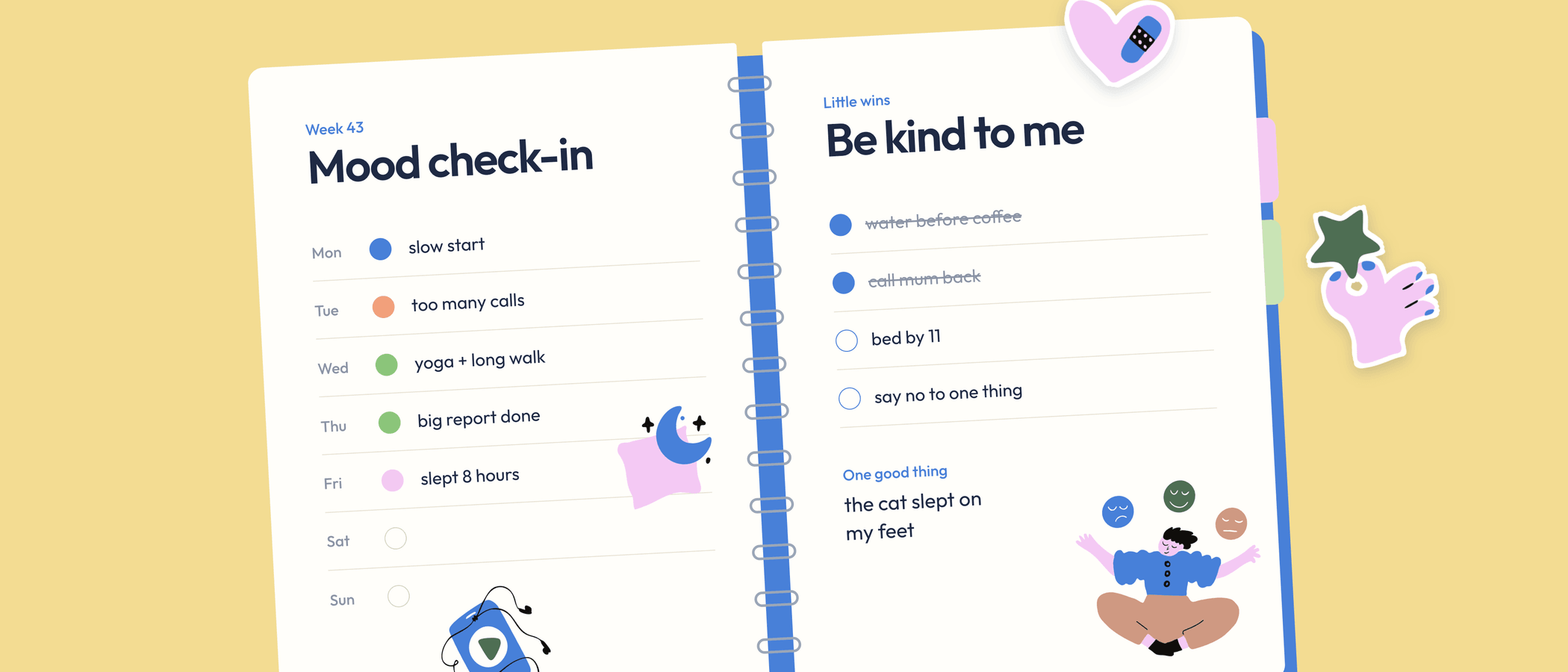
1Mood tracker
A quick daily rating, often a month at a glance, that helps people spot patterns over time.
Include: a mood scale of five faces or colours, a daily grid and a small space for what affected the day.
2Gratitude journal
Short daily lists that shift attention towards what went well. It works best when it takes less than two minutes.
Include: three numbered lines, a rotating prompt and room for a small doodle or sticker.
3Habit and self-care tracker
Checkboxes for water, sleep, movement, screen time or medication, grouped by week so progress is visible.
Include: a short list of three to five habits, a weekly grid and a “fresh start” note for missed days.
4Reflection and anxiety pages
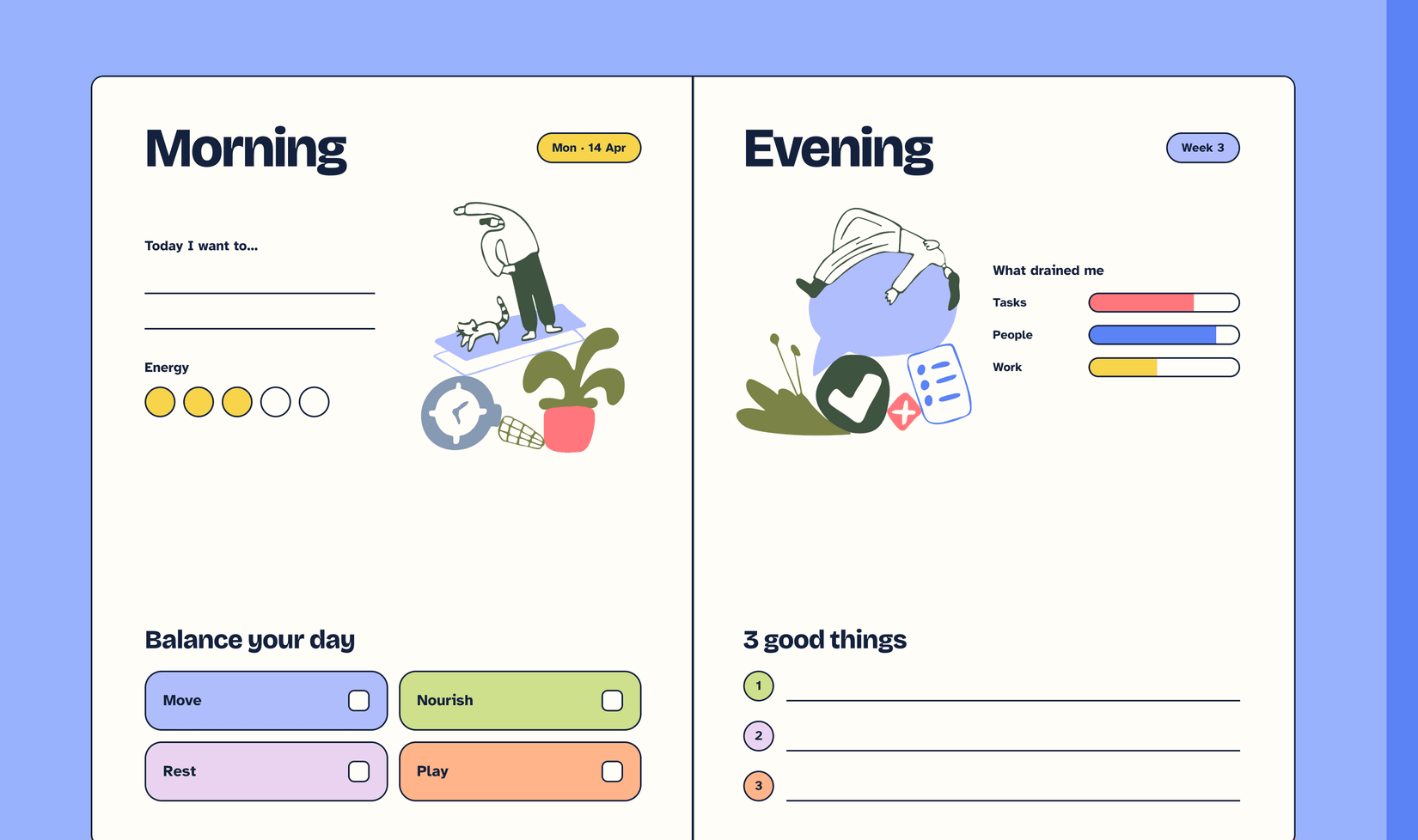
Guided pages for harder days: writing down worries, reframing a thought or noting what helped. Calm layouts matter most here.
Include: one open prompt, a breathing or grounding exercise and plenty of empty space.
How to make it engaging and interactive
People return to journals that feel like theirs. Small moments of play and choice turn a form into a ritual.
- Vary the layouts. Mix full-page prompts, weekly spreads, monthly grids and quick one-line entries so the journal never feels repetitive.
- Add stickers. Printable or digital stickers for moods, habits and small wins give people a reason to open the page and something satisfying to do.
- Use colour as data. Let people fill a square, petal or leaf with a colour for each mood, so the month becomes a picture.
- Reward streaks gently. A plant that grows or a scene that fills in over the week beats a points counter, and does not punish a missed day.
- Leave room to doodle. A blank corner invites personal touches and makes each page unique.
Why illustrations and icons matter
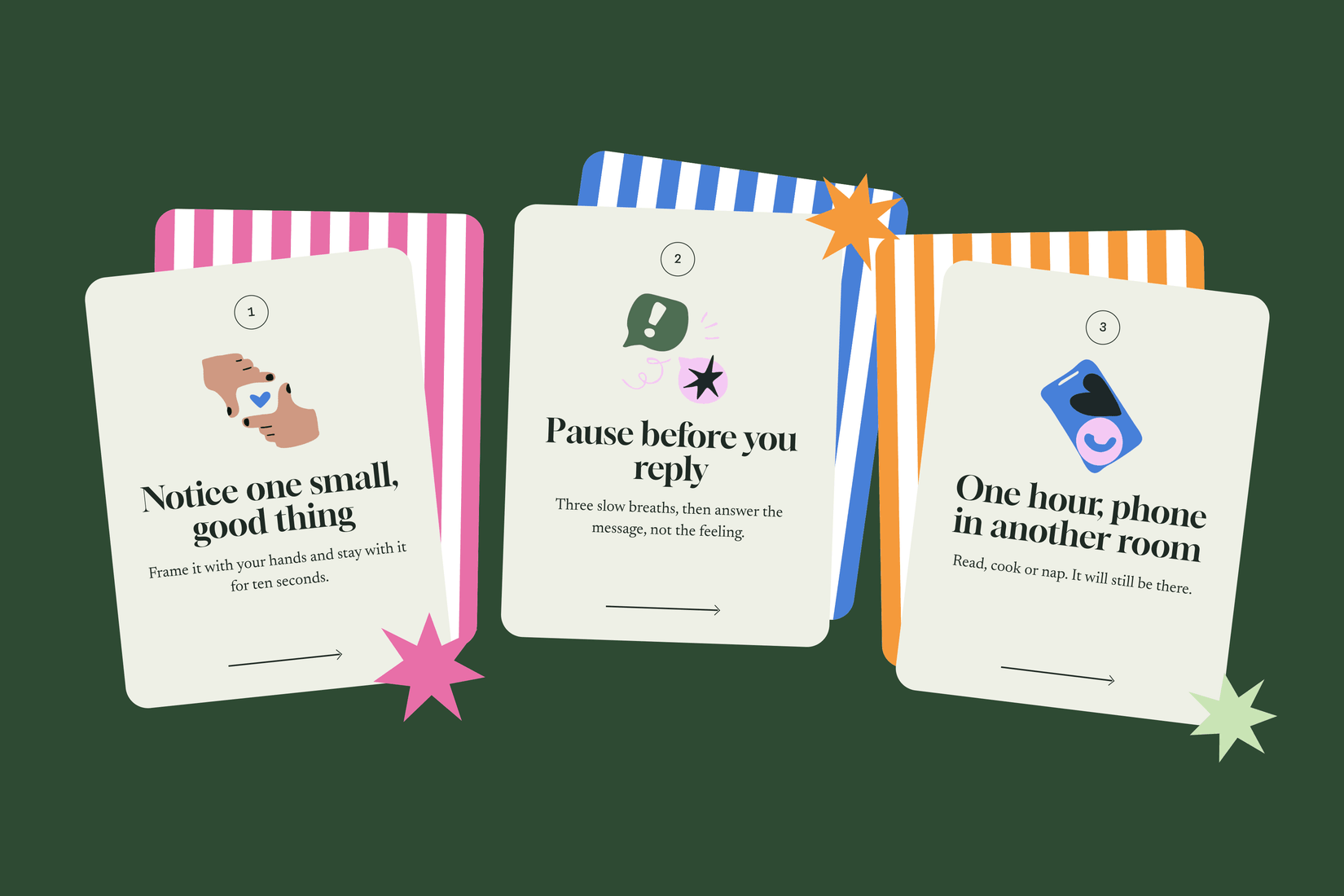
A blank page can feel like pressure, especially on a hard day. Illustrations soften that moment and make the first entry easier to write.
- They lower the barrier. Picking a face or a sticker is easier than finding words, and often leads to writing more.
- They make feelings visible. People recognise themselves in a person resting, walking or asking for help faster than in a label.
- Icons speed up tracking. Simple symbols for sleep, water or movement make a habit grid readable at a glance.
- A consistent style builds trust. One hand-drawn voice across covers, prompts and stickers makes the journal feel crafted, not assembled.
Quick reference
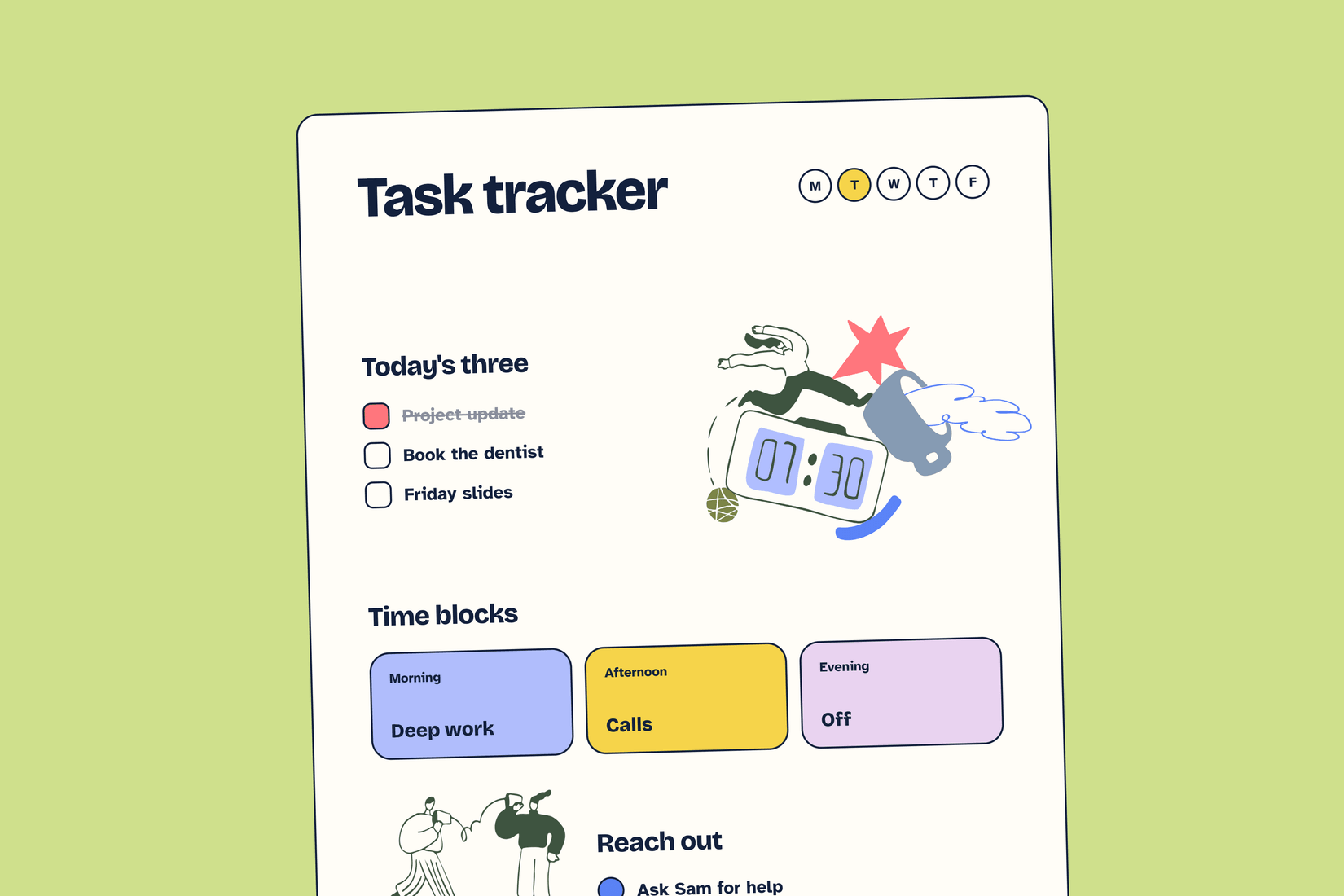
Quick checklist
- A daily entry takes two minutes or less
- Moods can be logged with a picture, not only words
- Layouts vary between daily, weekly and monthly pages
- Missed days are welcomed back, not shamed
- Stickers, icons and illustrations share one style
Illustrate your journal with Mind Shelter and Mind Garden
Three hand-drawn packs that work as covers, prompts and stickers. Mind Shelter covers anxiety, therapy, support and recovery. Mind Garden covers breathing, journaling, grounding and small daily rituals. Easy-to-edit, with a personal or commercial licence.


Download six free samples and try them in your own journal before you buy.